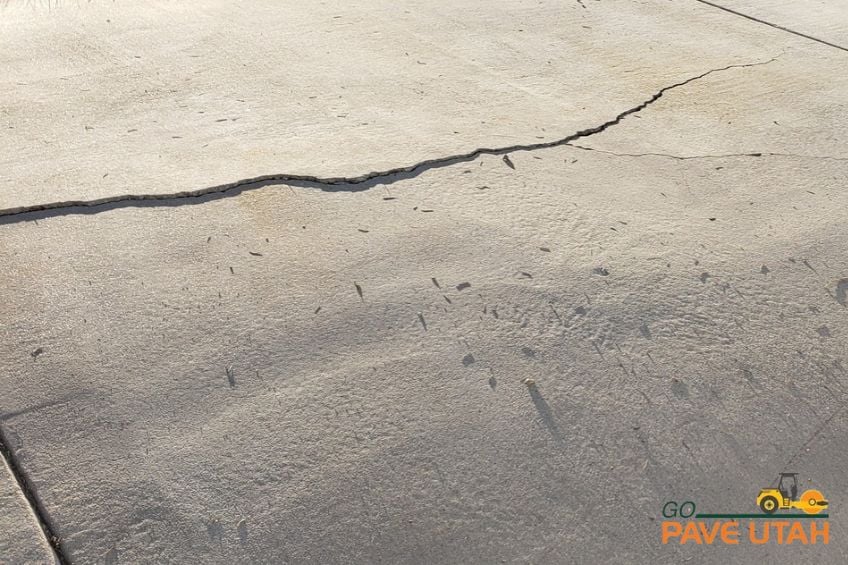
Winter has a way of drawing attention to problems that were easy to overlook during warmer months. A chipped concrete edge near a building entrance, a cracked loading area, or an uneven walkway may not seem particularly concerning in September. Once colder temperatures and winter moisture arrive, however, those same areas can become more noticeable.
For Utah property managers and commercial property owners, winter provides a different perspective on the condition of concrete surfaces. Commercial concrete repair is not simply about improving appearance. It involves understanding where deterioration is occurring, what may be contributing to it, and how the damage affects everyday property operations. Working with Go Pave Utah can help identify concrete trouble spots and determine when professional repairs may be appropriate.
Commercial building entrances experience constant activity. Employees, customers, delivery personnel, and maintenance crews repeatedly travel across the same concrete surfaces. Over time, this traffic, combined with environmental exposure, can make existing deterioration more noticeable.
As temperatures drop, moisture entering cracks or damaged areas can freeze and expand, potentially contributing to additional surface damage. Concrete near entrances deserves attention because it connects parking areas with buildings and often serves as a primary pedestrian route.
Property managers should watch for:
These conditions may indicate that the area needs closer evaluation rather than another season of being overlooked.
Concrete loading areas and service pads are designed for demanding commercial use, but that does not make them immune to deterioration. Heavy vehicles, repeated loading, and frequent maneuvering can place considerable stress on these surfaces.
Winter moisture can complicate existing damage, particularly where cracking or surface deterioration is already present. A damaged loading pad may also affect how smoothly delivery vehicles and equipment operate.
Unlike a lightly traveled pedestrian walkway, a concrete surface supporting commercial vehicles must be evaluated with its intended loads and operating conditions in mind. The location and extent of deterioration help determine whether localized repair or more extensive work may be needed.
An uneven concrete slab does not automatically indicate a major structural problem, but changes in elevation deserve attention. Settlement, movement, or deterioration beneath a slab can contribute to differences between adjoining concrete surfaces.
During winter, these irregularities may become more noticeable as moisture collects or freezes around low areas and uneven transitions.
Common warning signs include:
Recognizing these patterns can help property managers distinguish ordinary surface wear from conditions that warrant further investigation.
Not all concrete damage begins with a large crack. Scaling, spalling, and deteriorating edges may develop gradually, making them easy to dismiss as cosmetic problems.
In Utah, repeated freezing and thawing can contribute to surface deterioration when moisture is present. Deicing chemicals may also influence certain forms of concrete distress, depending on the concrete's condition and exposure.
A small damaged area does not always require extensive repairs, but understanding its cause matters. Simply addressing the visible surface without considering drainage, loading, or surrounding conditions may leave the underlying issue unresolved.
Winter does not create every concrete problem, but changing conditions can make existing weaknesses easier to identify. Building entrances, loading pads, walkways, service areas, and other heavily used surfaces deserve attention as part of regular commercial property evaluations.
For Utah property managers, the goal is to recognize deterioration and determine an appropriate response rather than assume every damaged section needs the same solution.
Working with Go Pave Utah can help commercial property owners evaluate damaged concrete, identify areas that may require commercial concrete repair, and consider suitable maintenance or repair options based on the condition of the surface.
A commercial property may have plenty of concrete, but the areas that work the hardest often have the most to say about its condition. Paying attention to those trouble spots can help keep small, overlooked problems from becoming larger maintenance concerns.