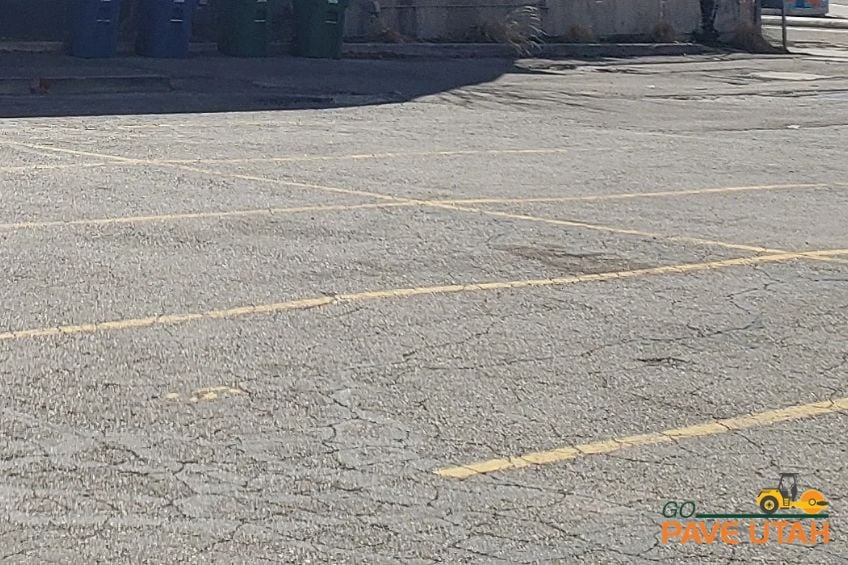
Commercial Parking Lot Traffic Patterns: Where Asphalt Takes the Most Wear

You may think of your commercial parking lot as one large asphalt surface, but vehicles rarely use every square foot equally. Customers favor certain entrances. Delivery trucks follow familiar routes. Garbage trucks repeatedly approach the same enclosure. Employees may cut across the same sections day after day. Over time, your property develops a traffic pattern that probably never appeared on the original parking lot plan. For Utah property managers, recognizing those patterns can change the way you approach asphalt maintenance. Instead of looking at the parking lot as one uniform surface, it can be more useful to identify where traffic repeatedly places the greatest demands on the pavement. Your Busiest Asphalt May Not Be Where Cars Park Parking stalls certainly receive traffic, but some of the hardest-working asphalt is found between them. Main entrances, drive aisles, intersections within the lot, loading areas, dumpster approaches, and connections to public streets can experience repeated vehicle movement throughout the day. Take a look at how vehicles actually travel through your property rather than how they were intended to travel. A shortcut across the lot or a heavily favored entrance can concentrate traffic in areas that may receive considerably more use than surrounding pavement. Those real-world patterns provide useful information when evaluating pavement conditions. Turning and Stopping Change the Way Pavement Is Used A vehicle traveling straight through a parking lot interacts with the pavement differently from one that is repeatedly braking, turning, accelerating, or maneuvering into position. That makes areas near entrances, intersections, loading zones, and tight turns worth watching closely. Heavy commercial vehicles can make these locations even more demanding. Delivery trucks, waste collection vehicles, maintenance equipment, and other large vehicles may travel the same route every visit. If pavement distress begins appearing in one of these concentrated traffic areas, the location itself provides context. The problem may not be random when the same piece of asphalt is handling repeated vehicle movements every day. Your Property's Operations Can Change Before the Parking Lot Does Commercial properties evolve. A new tenant can increase deliveries. A restaurant can generate different traffic than the previous business. A loading area may become busier. A dumpster may be relocated. Customer traffic may begin favoring a different entrance. The pavement, however, does not automatically change when property operations do. Asphalt that once handled occasional traffic may eventually become part of a primary route. That is why understanding how a property is currently being used matters. The traffic assumptions made years ago may no longer reflect what the parking lot experiences today. Wear Patterns Can Help Focus an Inspection A pavement inspection should include more than a general walk around the property. Pay particular attention to places where vehicles repeatedly turn, stop, load, or travel. Cracking, depressions, rutting, potholes, surface deterioration, or recurring damage in these locations may deserve further evaluation. This does not mean every busy area automatically needs asphalt repair. It means traffic patterns can help identify where closer attention may be worthwhile. Comparing heavily traveled sections with quieter areas can also provide a clearer picture of how different parts of the parking lot are performing. Manage the Parking Lot You Actually Have Your striping may tell drivers where to go, but everyday use ultimately determines where much of the pavement wear occurs. Understanding that difference can make asphalt maintenance more specific to the property instead of treating every section of pavement exactly the same. Go Pave Utah works with Utah property managers and commercial property owners to evaluate asphalt conditions and determine where maintenance or repair may be appropriate. By paying attention to how vehicles actually move through the property, you can better understand which areas are doing the most work and which ones deserve the closest attention.


You may think of your commercial parking lot as one large asphalt surface, but vehicles rarely use every square foot equally. Customers favor certain entrances. Delivery trucks follow familiar routes. Garbage trucks repeatedly approach the same enclosure. Employees may cut across the same sections day after day. Over time, your property develops a traffic pattern that probably never appeared on the original parking lot plan.

For Utah property managers, recognizing those patterns can change the way you approach asphalt maintenance. Instead of looking at the parking lot as one uniform surface, it can be more useful to identify where traffic repeatedly places the greatest demands on the pavement.

Your Busiest Asphalt May Not Be Where Cars Park

Parking stalls certainly receive traffic, but some of the hardest-working asphalt is found between them. Main entrances, drive aisles, intersections within the lot, loading areas, dumpster approaches, and connections to public streets can experience repeated vehicle movement throughout the day.

Take a look at how vehicles actually travel through your property rather than how they were intended to travel. A shortcut across the lot or a heavily favored entrance can concentrate traffic in areas that may receive considerably more use than surrounding pavement. Those real-world patterns provide useful information when evaluating pavement conditions.

Turning and Stopping Change the Way Pavement Is Used

A vehicle traveling straight through a parking lot interacts with the pavement differently from one that is repeatedly braking, turning, accelerating, or maneuvering into position. That makes areas near entrances, intersections, loading zones, and tight turns worth watching closely.

Heavy commercial vehicles can make these locations even more demanding. Delivery trucks, waste collection vehicles, maintenance equipment, and other large vehicles may travel the same route every visit. If pavement distress begins appearing in one of these concentrated traffic areas, the location itself provides context. The problem may not be random when the same piece of asphalt is handling repeated vehicle movements every day.

Your Property's Operations Can Change Before the Parking Lot Does

Commercial properties evolve. A new tenant can increase deliveries. A restaurant can generate different traffic than the previous business. A loading area may become busier. A dumpster may be relocated. Customer traffic may begin favoring a different entrance.

The pavement, however, does not automatically change when property operations do. Asphalt that once handled occasional traffic may eventually become part of a primary route. That is why understanding how a property is currently being used matters. The traffic assumptions made years ago may no longer reflect what the parking lot experiences today.

Wear Patterns Can Help Focus an Inspection

A pavement inspection should include more than a general walk around the property. Pay particular attention to places where vehicles repeatedly turn, stop, load, or travel. Cracking, depressions, rutting, potholes, surface deterioration, or recurring damage in these locations may deserve further evaluation.

This does not mean every busy area automatically needs asphalt repair. It means traffic patterns can help identify where closer attention may be worthwhile. Comparing heavily traveled sections with quieter areas can also provide a clearer picture of how different parts of the parking lot are performing.

Manage the Parking Lot You Actually Have

Your striping may tell drivers where to go, but everyday use ultimately determines where much of the pavement wear occurs. Understanding that difference can make asphalt maintenance more specific to the property instead of treating every section of pavement exactly the same.

Go Pave Utah works with Utah property managers and commercial property owners to evaluate asphalt conditions and determine where maintenance or repair may be appropriate. By paying attention to how vehicles actually move through the property, you can better understand which areas are doing the most work and which ones deserve the closest attention.

Archives

Logo

NEWSLETTER SIGNUP

Go Pave Utah news, offers and more.
Subscription Form

2026 © Go Pave Utah, All Rights Reserved. |

Privacy Policy
|
Terms of Use
cross